
Why Storage Furniture Helps Organize Living Areas
Key Takeaways
-
Smart storage furniture transforms a cluttered living room into a calm, functional living space by providing designated homes for everyday items.
-
Pieces like storage ottomans, coffee tables with drawers, and media consoles with closed doors are simple storage solutions that instantly reduce visual clutter.
-
Maximizing space is not about adding more furniture; it’s about choosing multifunctional furniture that offers hidden storage and fits your room’s dimensions.
-
Storage furniture helps manage seasonal items, kids' toys, tech clutter, and everyday essentials without resorting to self-storage.
-
Thoughtful furniture placement plus a few daily habits keep the living room organized long-term.
Introduction: How Storage Furniture Transforms Your Living Space
Picture your living room right now: remotes scattered across every surface, kids' toys underfoot, chargers tangled on the side table, and seasonal décor that still hasn’t found a permanent home. This visual chaos isn’t just annoying, it’s draining your energy. Storage furniture offers the perfect solution.
Storage furniture refers to pieces that serve double duty: storage ottomans that function as seating and hidden compartments, coffee tables with drawers or lift-tops, media consoles with doors, and benches with cubbies. These pieces give your belongings a home while keeping your living space visually clean.
Studies show that the way we arrange our homes can significantly affect our mood, stress levels, and productivity. Research has demonstrated that a clean and organized home promotes a sense of calm and tranquility, with 63% of Americans finding home reorganization to be a significant de-stressor.
This article walks you through assessing your space, picking the right storage solutions, and creating home organization systems that actually last.
Why Storage Furniture Matters for Home Organization
Clutter accumulates because items lack designated homes. Mail lands on the coffee table. Chargers migrate to armrests. Blankets pile on chairs. Kids' toys spread across the floor. Without dedicated storage space, every flat surface becomes a dumping ground.
Hidden storage reduces visual clutter, which directly impacts your well-being. Clutter triggers a physiological stress response, with studies showing that individuals who describe their homes as cluttered have higher levels of cortisol throughout the day compared to those with well-organized spaces. Storage options like cabinets and chests foster a calmer home environment by reducing everyday messes.
A well-organized space can enhance productivity and focus, as physical clutter can lead to mental exhaustion and reduced cognitive function. Decluttering can significantly reduce stress levels, improving sleep quality and overall happiness.
Storage furniture keeps daily-use items within easy access while maintaining a visually clean environment. This contrasts with self-storage, which is useful for long-term or rarely used belongings like holiday decorations, camping gear, or winter sports gear. Living rooms need built-in, everyday storage solutions.
For people in apartments, townhomes, and small houses, storage furniture allows you to maximize storage without knocking down walls or adding closets. It transforms living spaces by eliminating clutter and maximizing limited square footage.
Assessing Your Living Room Before You Buy
Measuring and planning prevent overbuying or choosing bulky pieces that shrink your room. Before shopping, create a simple approach that ensures success.
Measure and sketch:
-
Room length, width, and ceiling height
-
Window and door locations (note swing direction)
-
Radiators, fireplaces, and built-ins
-
Create a basic floor plan
Identify pathways: Natural walking space matters. Maintaining 30–36 inches of clearance for main circulation paths keeps the room feeling organized and spacious. Track routes from door to sofa, sofa to kitchen, and around the seating area.
List problem categories:
-
Tech clutter (remotes, chargers, cables)
-
Kids toys and games
-
Books and magazines
-
Blankets and pillows
-
Seasonal décor
-
Hobby gear and office supplies
Decide which categories need storage in the living room versus a different area or a self-storage unit.
Choose a focal point: Whether it’s your TV, fireplace, or large window, plan furniture placement around it to support conversation zones and easy movement.
Core Storage Furniture Pieces that Maximize Space
A few carefully chosen multifunctional furniture pieces can dramatically increase storage space without overcrowding the room. Storage furniture acts as stylish decor while hiding items away, maintaining a polished, tidy look.
The key categories include:
-
Storage coffee tables
-
Storage ottomans and benches
-
Media consoles and TV units
-
Side tables and console tables with drawers
-
Tall bookcases and cabinets
Each type serves different needs: daily clutter, bulk storage, and display. The goal is choosing furniture that offers at least two functions to support maximizing space while coordinating finishes with existing décor.
Storage Coffee Tables: Central Command for Daily Clutter
The coffee table sits at the center of the living room, making it prime real estate for hidden storage. This single piece can transform how you manage random items that typically scatter across surfaces.
Storage options:
-
Lift-top coffee tables with deep compartments (ideal for laptops and office supplies)
-
Models with drawers for remotes and chargers
-
Two-tier tables with baskets for magazines and books
Sizing guidance: Choose tables roughly two-thirds the length of your main sofa with 16–18 inches of clearance between sofa and table. This creates comfortable reach without cramping in the walking space.
Use drawer organizers or small bins inside the storage space to separate categories: remote controls in one section, game controllers in another, and mail in a third. This prevents the compartment from becoming a junk zone.
Keep the tabletop mostly clear. A small tray, plant, or single decorative item reinforces the organized look without adding visual noise.
Storage Ottomans and Benches: Hidden Bulk Storage
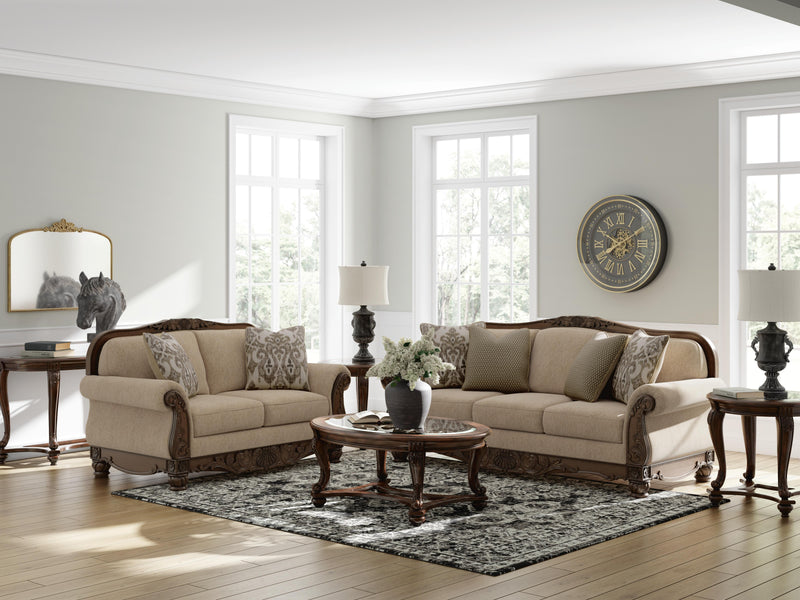
Ottomans and benches disguise large storage compartments as comfortable seating or footrests. Hidden storage options such as ottomans and benches are ideal for concealing larger items like blankets or toys, making a room appear tidier.
Best uses for storage ottomans:
-
Spare blankets and throw pillows
-
Kids' toys and stuffed animals
-
Yoga mats and workout gear
-
Board games and puzzles
Look for safety features like soft-close or safety hinges, especially for households with children. These prevent finger injuries and make the furniture safer for sensitive items.
A long storage bench works beautifully under a window or behind a sofa. It can store board games, craft supplies, or seasonal décor while providing extra seating for guests.
Keep 12–18 inches of clearance around ottomans for movement. Match or coordinate upholstery with the sofa so the room feels cohesive, not cluttered with mismatched pieces.
Media Consoles and TV Units: Managing Tech and Cable Clutter
TVs, streaming boxes, gaming systems, and speakers quickly create visible chaos if not contained. Storage furniture helps in reducing visual chaos and makes cleaning easier by keeping surfaces clear.
Essential features:
-
Closed doors and drawers for devices and games
-
Open shelves for a few curated décor items
-
Built-in cable management (grommet holes, cord channels)
-
Ventilated back panels to keep devices cool
Choose units slightly wider than your TV, typically around 24–30 inches high for balanced proportions. This creates visual stability and adequate storage space.
Apply the 60/40 rule: approximately 60% closed storage to hide clutter and 40% open display to avoid a heavy, boxy look. This balance maintains functionality while keeping the space feeling light.
Side Tables, Console Tables, and Slim Storage
Smaller pieces around the edges of the room prevent clutter from piling on armrests and floors. These often-overlooked spots offer valuable space for organization.
Choose side tables with drawers or shelves instead of purely decorative flat tables. They’re perfect for coasters, reading glasses, books, and small tech accessories.
A narrow console table behind a sofa or along a wall can act as a drop zone for keys, mail, and chargers. Add baskets underneath for bags, kids' items, or pet supplies.
Nesting tables slide under each other, adding occasional surfaces without constantly occupying valuable floor space. They’re excellent for entertaining when you need extra space, then tucking away.
Coordinate finishes, wood tone, and metal color with existing furniture to maintain a unified, organized appearance throughout the living space.
Bookcases, Cabinets, and Wall Shelves: Using Vertical Storage Space
Using vertical space through tall bookcases or floating shelves can help clear floor space in a living room, making it feel more open and organized. Vertical shelving and bookcases help in utilizing vertical space to keep floors clear, which is particularly beneficial in a studio apartment.
Recommendations:
-
Tall, narrow bookcases that fit into corners and alcoves
-
Mixed-use units combining closed cabinets at the bottom for clutter and open shelves above for books
-
Floating shelves for lightweight display items
Avoid overfilling shelves. Leave some negative space so the display looks intentional and calm rather than chaotic. This creates a cozy reading nook feel rather than warehouse storage.
Secure tall furniture to the wall for safety, especially in homes with children or pets. This simple step prevents tip-overs and protects your family.
Furniture Placement Strategies that Keep Your Living Room Organized
Even the best storage furniture can feel chaotic if furniture placement blocks pathways or overwhelms the room. The way furniture is arranged can significantly affect the comfort and flow of a space, maximizing its potential for functionality.
Create distinct zones: Creating distinct zones in a large living room can enhance its functionality, such as a conversation area or a cozy reading nook, using area rugs and furniture placement to define these spaces.
-
Conversation/TV area centered on seating
-
Reading nook with armchair and good lighting
-
Toy or hobby corner with dedicated storage
-
Work area, if needed
Placement principles:
-
Place larger storage pieces (media console, tall cabinet) against the longest walls
-
Keep the center of the room open for movement
-
Float sofas or use slim console tables to separate zones in open-plan spaces
-
Maintain 30–36 inches for main pathways
-
Leave about 18 inches from the sofa to the coffee table
-
Don’t push every piece flush to the wall if that impedes flow
Maximizing Storage for Different Item Types
An organized space depends on giving every category of belongings a specific “home.” Storage furniture contributes to organizing living areas by maximizing limited space, providing designated homes for items, and concealing visual clutter.
|
Category |
Storage Solution |
Location |
|---|---|---|
|
Daily essentials |
Coffee table drawers, side table compartments |
Within arm’s reach of seating |
|
Kids toys |
Lidded storage ottoman, benches with cubbies |
Play corner, easy child access |
|
Tech and devices |
Media console compartments, cable boxes |
Near TV and charging areas |
|
Paperwork/mail |
Console table trays, labeled bins |
Entry point to the living room |
|
Seasonal items |
High cabinet shelves, labeled bins |
Less accessible storage |
For seasonal items like holiday decorations and winter blankets, use rotating storage. Pack items in labeled bins and store less-used décor higher up in cabinets. Self-storage units provide a flexible solution for storing seasonal items, allowing homeowners to keep their living spaces organized throughout the year when in-home options are full.
Using self-storage can help individuals declutter their homes by providing a safe space for items that are not needed on a daily basis, thus creating an organized environment.
Multifunctional Furniture for Small Spaces and Apartments
For renters and small-home owners, multifunctional furniture allows small areas to feel larger and more usable, enhancing space efficiency. Multi-functional furniture, such as storage ottomans or coffee tables with hidden compartments, can help maintain an organized living space by providing storage while serving multiple purposes.
Top multifunctional pieces:
-
Sleeper sofas with storage compartments underneath
-
Lift-top coffee tables that double as workstations
-
Nesting stools serve as both extra seating and side tables
-
Storage benches that provide seating and concealment
Choosing one piece that solves two or three needs, seating, storage, and sleeping, reduces the total number of items needed in the room. This gives you more space and a less cluttered environment.
Prioritize movable, flexible pieces you can rearrange easily when entertaining guests or reconfiguring your living space. Investing in a few high-quality multifunctional items is often more efficient than filling the room with many small, single-purpose pieces that create fewer items of real value.
Daily Habits that Keep Your Storage Furniture Working
Furniture alone will not maintain order. Effective storage solutions can maximize space and visibility, making it easier to access items while keeping them organized and reducing visual clutter, but only with consistent habits.
5-10 minute nightly reset:
-
Return toys to the storage ottoman
-
Slide remotes into the coffee table drawer
-
Fold blankets into the storage bench
-
Clear the surfaces of random items
Weekly maintenance:
-
Quick review of drawers and hidden compartments
-
Remove trash, broken items, or misplaced belongings
-
Reorganize anything that’s migrated to the wrong spot
Long-term strategies:
-
Label inside storage areas subtly (inside cabinet doors or on bins)
-
Apply a “one in, one out” rule for categories like throw pillows, blankets, and games
-
Do a quarterly deep-clean of all storage furniture
How to Use Images in This Article
Five high-quality, realistic images should be placed throughout any article on storage furniture to demonstrate solutions in real living rooms:
-
Near Introduction: A before-and-after apartment living room showing transformation from cluttered to calm
-
Near Core Storage section: Close-up of open lift-top coffee table and storage ottoman with neatly organized contents
-
Near Media Console section: Modern media console with closed doors and visible cable management
-
Near Vertical Storage section: Tall bookcase in a small living room, using vertical space effectively
-
Near Daily Habits section: Family doing a quick nightly reset, illustrating how habits maintain order
These visuals help readers envision the transformation possible in their own spaces and give new life to abstract concepts.
FAQ
These FAQs address common questions about choosing and using storage furniture in living areas, covering topics that extend beyond the main article.
How much storage furniture is too much for a living room?
If pathways feel tight or every wall is lined with cabinets, the room is likely over-furnished, even if it’s technically organized. A well-organized space still needs walking space and breathing room.
A practical rule: prioritize one major storage piece per wall (media console, tall cabinet, storage bench) and keep the center area as open as possible. Start with two or three multifunctional pieces. Only add more if specific storage needs remain unmet after living with your current setup for a few weeks.
Is open or closed storage better for an organized look?
Closed storage (doors, drawers, lidded ottomans) is best for hiding visual clutter like cables, toys, and mismatched items. Open shelves work best for a small number of carefully chosen books, plants, and decorative objects.
Aim for a blend of both, with a slight emphasis on closed storage in smaller living rooms. This balance keeps the space feeling calm and stress-free while still allowing personality to show through curated displays.
How do I keep deep storage spaces from becoming “black holes”?
Use smaller bins, baskets, or drawer organizers inside large compartments to separate categories, games in one section, craft supplies in another, seasonal décor in a third.
Label the top or underside of lids and the front of bins so items are easy to find and return. Schedule a quarterly check-in to declutter and reorganize deep storage, removing anything no longer needed. Small improvements compound over time.
When should I consider using self-storage instead of more storage furniture?
Self-storage is most useful for items not needed weekly or monthly: bulk holiday decorations, camping gear, winter sports gear, archived paperwork, or inherited furniture. Using self-storage solutions allows individuals to keep sentimental items while freeing up valuable space in their homes.
If your living room storage furniture is full and you still have infrequently used items in the space, it may be more effective to move those items off-site. Daily-use belongings should stay in the home, while self-storage units can hold backup or long-term items. Visit today at your local facility to explore options.
What’s the best storage furniture for renters who might move soon?
Recommend lightweight, modular pieces: storage ottomans, nesting tables, and medium-height bookcases that are easy to move and reconfigure. Avoid fully custom-built-ins and extremely heavy cabinets that may not suit your next living space.
Prioritize pieces that can work in multiple rooms. A storage bench that fits at the end of a bed, in an entryway, or in a living room offers versatility through future moves. This approach ensures your investment in a better organization pays off regardless of where you live.
Buy Living Room Furniture at Barb City Furniture Today

Refresh your home with comfort and style when you buy living room furniture at Barb City Furniture today. The right living room furniture helps create a welcoming space where family and friends can gather, relax, and enjoy everyday moments together. Whether you are looking for sofas, sectionals, recliners, coffee tables, or complete living room sets, quality furniture can improve both the appearance and functionality of your space.
Now is the perfect time to upgrade your living area with furniture designed for everyday comfort and use. Buy living room furniture at Barb City Furniture today and create a living room that feels inviting, comfortable, and ready for every occasion.